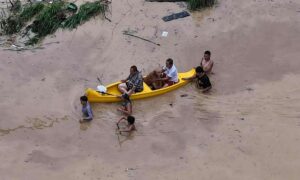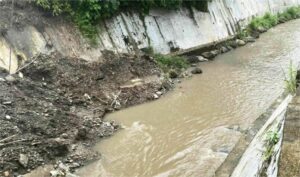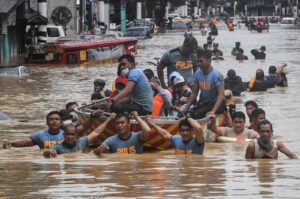
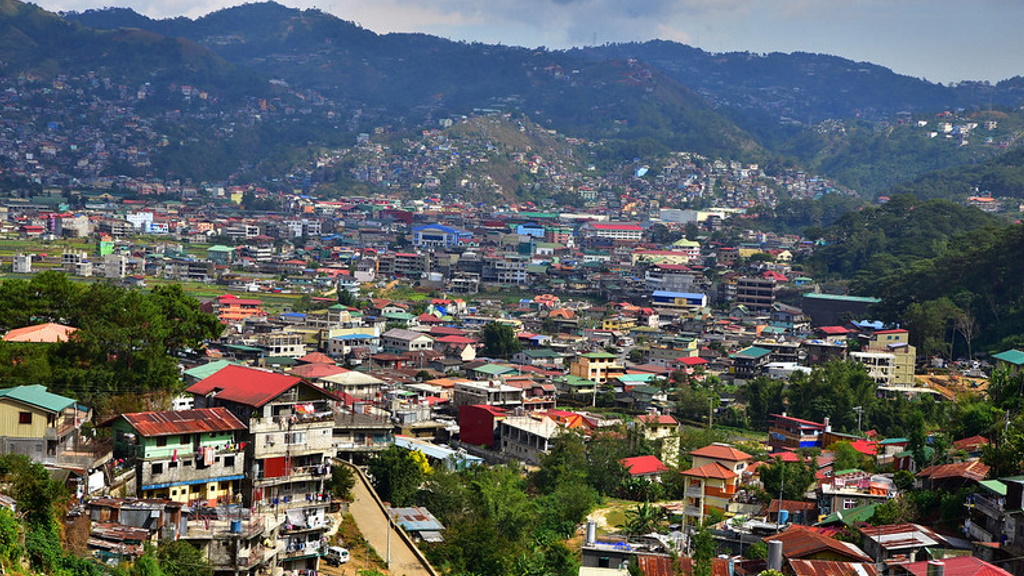
Baguio City, often called the “Summer Capital of the Philippines,” is no stranger to extreme weather events. Nestled in the Cordillera mountains, the city experiences frequent heavy rains, typhoons, and occasional landslides. Yet, in recent years, Baguio has become a national model for disaster preparedness and response—a model that other cities and provinces could emulate.
Proactive Planning Saves Lives
Baguio’s approach centers on early warning systems and preemptive evacuation. The city has implemented a smart flood early warning, information, and mitigation system, with sensors and real-time monitoring linked directly to its disaster management office (SLU; CDRRMO). Alerts are sent to residents via SMS, social media, and barangay-level public address systems.
During recent monsoon rains, these alerts allowed thousands of residents in high-risk areas to evacuate safely, preventing casualties despite heavy downpours (UN Women).
Community Involvement
A key factor in Baguio’s success is community participation. Residents are trained in first aid, emergency response, and search-and-rescue operations. Barangay Disaster Risk Reduction and Management Committees (BDRRMCs) have been found to possess “very high capability” in handling emergencies, though some still need stronger resource support (ResearchGate).
Local schools also integrate disaster preparedness into their curriculum, while barangays conduct regular evacuation drills. Community involvement, according to the Benguet Provincial DRRM Office, is “vital in disaster preparedness” (PIA).
Interagency Coordination
Baguio’s disaster management office works closely with the Philippine Red Cross, the Bureau of Fire Protection, and the Philippine National Police, creating a seamless coordination network. This is reinforced by training programs such as the Rapid Damage Assessment and Needs Analysis (RDANA), jointly run by the City DRRMO, Office of Civil Defense, and Department of Health (PNA).
The city also maintains pre-positioned relief goods and emergency equipment, which reduces response times during disasters.
Sustainable Urban Planning
Beyond emergency response, Baguio has invested in long-term resilience strategies. Infrastructure projects now integrate flood mitigation and slope stabilization, while tree-planting efforts help reduce the risks of landslides and soil erosion. The city’s early warning systems also follow an inclusive design approach, ensuring vulnerable groups—including women and marginalized communities—receive accessible alerts (Ramboll).
Lessons for the Nation
Baguio’s experience demonstrates that effective disaster response is not just about reactive measures but proactive planning, community engagement, and interagency cooperation. Cities across the Philippines, particularly flood- and landslide-prone areas, can learn from Baguio’s model to better protect lives and property.
Mayor Benjamin Magalong, a former police general, has emphasized that preparedness must become part of daily life: “Preparedness is a culture. If we can instill this mindset across our communities, the Philippines can face natural disasters with resilience rather than fear.”
As climate change continues to intensify storms and floods nationwide, Baguio’s disaster response model offers a blueprint for building safer, more resilient communities.