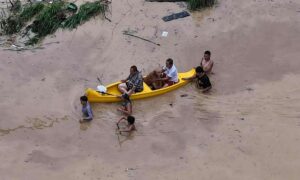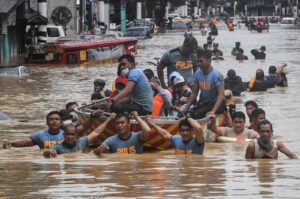

The unfolding controversy over alleged anomalies in the Philippines’ flood-control and infrastructure projects has largely been told in terms of “trillions lost” and “ghost projects.” But behind the staggering figures are ordinary Filipino communities whose daily lives are directly shaped by the success—or failure—of these public works.
Broken Defenses, Higher Risks
In Bulacan and Pampanga, residents have complained that newly built flood-control dikes crumble within a season of heavy rains. Instead of protection, communities find themselves more vulnerable to inundation. Families lose crops, small businesses face repeated shutdowns, and children miss weeks of school whenever waters rise.
Wasted Commutes and Stalled Livelihoods
Roads that are poorly constructed or left unfinished don’t just delay motorists—they choke off economic activity. In parts of Northern Mindanao, farmers struggle to bring produce to market because farm-to-market roads end abruptly or wash out during rains. Tricycles and jeepneys refuse to ply certain routes, isolating entire barangays.
The Cost of “Ghost” Projects
In provinces like Samar, some residents told local media they only learned of supposed “completed” flood-control facilities when documents surfaced online. In reality, the projects never broke ground. For these communities, the absence of promised infrastructure has meant years of vulnerability to disasters and loss of trust in government.
Public Trust and Daily Resilience
When people see funds disappear into incomplete or substandard works, cynicism grows. “Kung ang proyekto nila di matino, bakit kami magbabayad ng buwis?” one barangay official in Central Luzon remarked. This erosion of trust spills over into governance at large, weakening community engagement in disaster preparedness and development programs.
Calls from the Ground
Grassroots organizations are now pushing for the Independent Commission for Infrastructure (ICI) to include community consultations in its probes. Local leaders argue that the lived experience of residents—whether a road collapses within a year, or a dike never truly shields against flooding—should count as vital evidence of corruption’s real impact.
Beyond Numbers
Behind every peso allegedly lost to padded contracts is a child missing class, a farmer losing harvest, a worker walking kilometers because a bridge remains unbuilt. For communities on the margins, anomalies in infrastructure projects are not just statistics; they are setbacks in daily survival.
As the ICI begins its investigations, the challenge will be not only to expose wrongdoing at the top but also to capture how corruption translates into broken lives on the ground.
Sources: local reports from Inquirer.net, Philippine Daily Tribune, SCMP