


Flood control projects have long been touted as essential safeguards for the Philippines, a country frequently battered by typhoons and heavy rains. However, recent investigations have exposed serious issues in the planning, execution, and oversight of these critical initiatives.
Corruption and Mismanagement
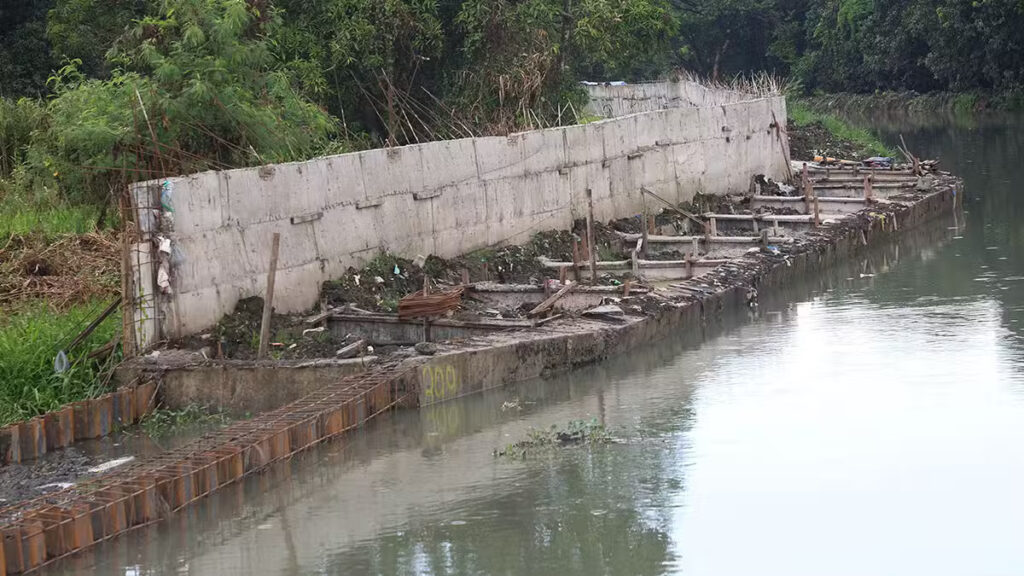
Reports indicate that several flood control projects, particularly in Bulacan and Manila, are either incomplete or nonexistent despite millions of pesos in allocated funds. A troubling pattern has emerged: a small group of contractors reportedly monopolized roughly 20% of flood control contracts worth ₱100 billion. These “ghost projects” have raised questions about transparency and fair competition in public infrastructure.
Bribery allegations have further intensified concerns. In August 2025, a Department of Public Works and Highways (DPWH) official was arrested for allegedly attempting to bribe a legislator to halt investigations into corruption in flood control projects. The government has vowed strict action against all implicated parties.
Lack of Permits and Oversight
The problem is not just financial. About 200 flood control initiatives in Metro Manila were found operating without the proper permits, reflecting a worrying lack of regulatory compliance. The Commission on Audit (COA) has ordered immediate inspections of both ongoing and completed projects in Bulacan, highlighting systemic oversight deficiencies.
Experts emphasize that these administrative lapses undermine not only the projects’ effectiveness but also public trust in government institutions.
Environmental and Technical Challenges
Beyond governance issues, flood control projects face environmental hurdles. In Cagayan de Oro, efforts to reinforce flood defenses have led to the clearing of native vegetation, potentially worsening flood risks over time. Technical limitations are also evident: while street-level flooding may be mitigated, river overflows and coastal surges remain largely unaddressed.
This has prompted calls from environmentalists and urban planners for a more holistic approach that integrates engineering solutions with natural ecosystem preservation.
Presidential Oversight
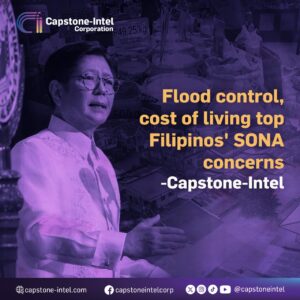
President Ferdinand “Bongbong” Marcos Jr. has ordered lifestyle checks on officials involved in flood control projects and promised a public release of all flood control initiatives from the past three years. These measures aim to uncover corruption, hold offenders accountable, and restore public confidence in the government’s disaster mitigation efforts.
The President has also instructed the DPWH to identify responsible contractors and officials, with the threat of blacklisting or prosecution for those found guilty of mismanagement.
The Way Forward
Flood control is not just an infrastructure concern—it is a matter of public safety and resilience. As the Philippines faces increasingly severe weather events due to climate change, the government’s ability to implement efficient, transparent, and environmentally sound projects will determine how well communities are protected.
While current controversies highlight deep-seated problems, they also offer an opportunity for reform. Proper oversight, accountability, and technical rigor can ensure that flood control projects fulfill their intended purpose: safeguarding lives and livelihoods across the nation.