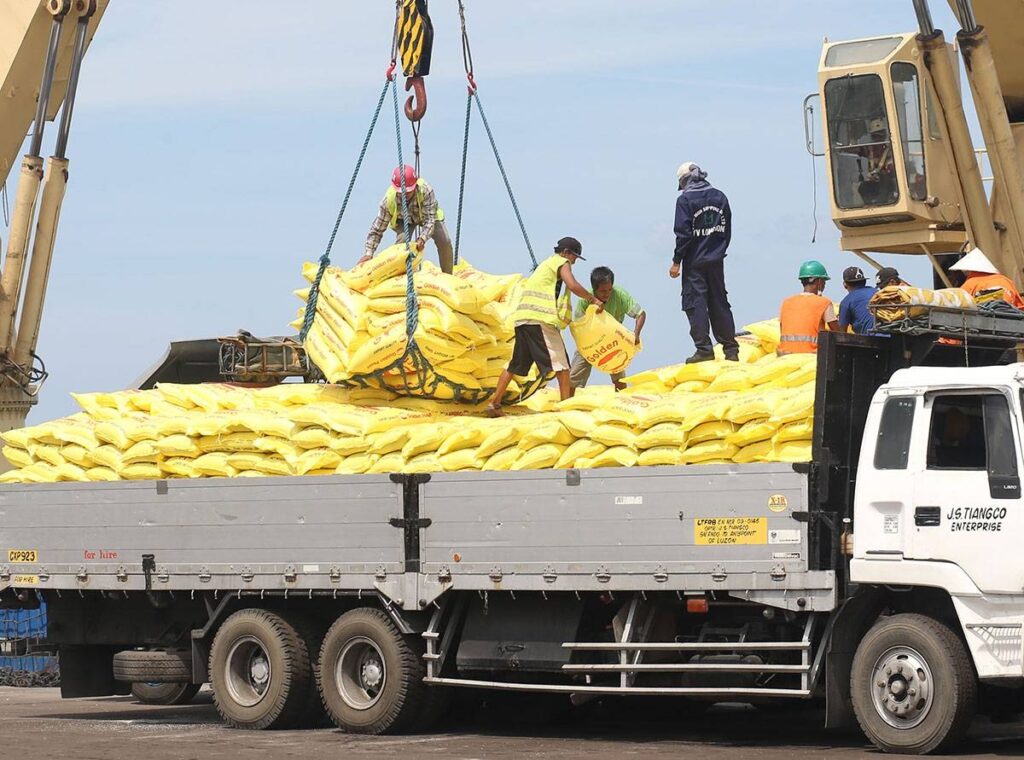


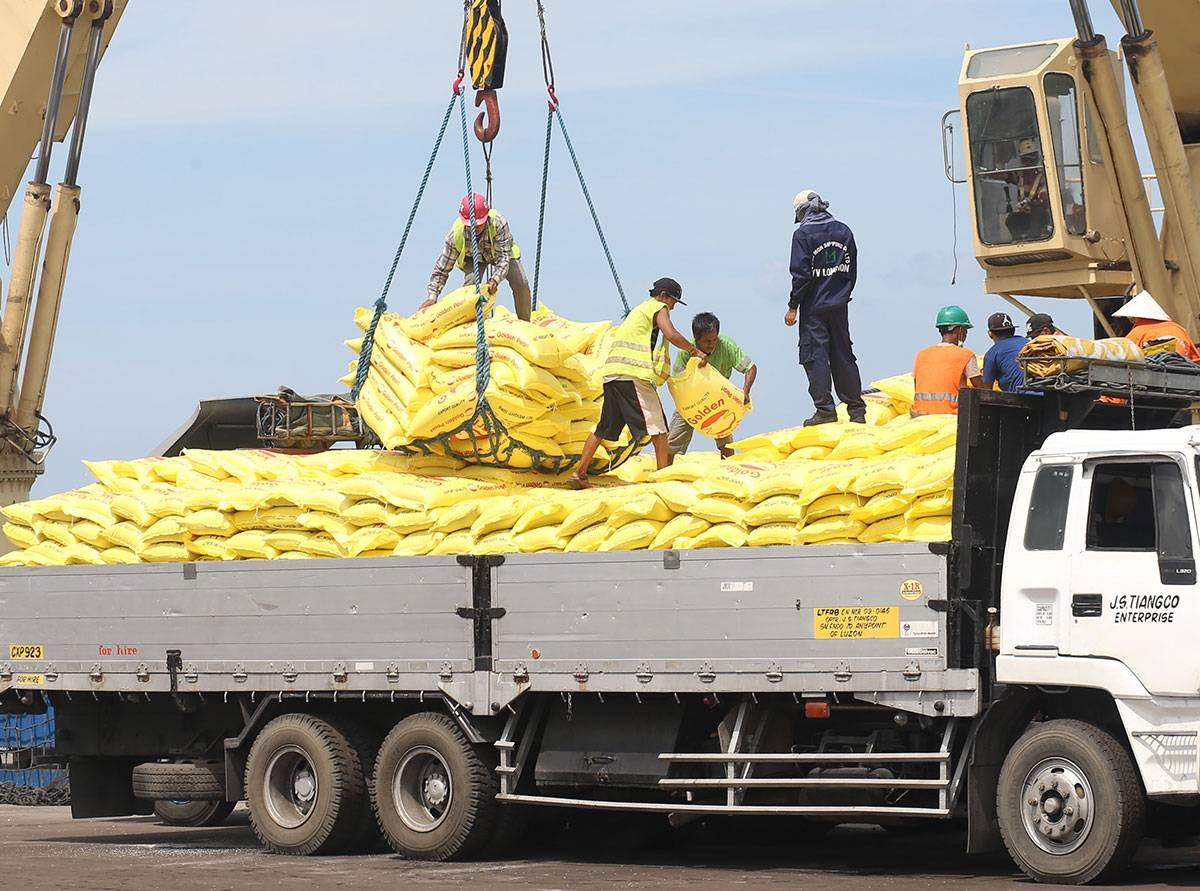
President Ferdinand Marcos Jr. has extended the 60-day suspension of rice imports in an effort to stabilize farmgate prices and shield Filipino farmers from further losses. The moratorium, which began on September 1, 2025, was originally set to lapse at the end of October but will now continue for an as-yet-undisclosed period.
Protecting Farmers, Stabilizing Prices
The Department of Agriculture (DA) said the ban covers regular milled and well-milled rice, though premium rice varieties not produced domestically remain exempt. Officials explained that the extension aims to protect local farmers during the harvest season, amid reports that farmgate prices for palay have plunged to as low as ₱8 to ₱10 per kilo in some provinces — levels considered unsustainable for farmers’ livelihoods.
Agriculture Secretary Francisco Laurel Jr. has recommended an extension of 15 to 30 days, with the possibility of stretching the suspension until year-end if market conditions remain unfavorable.
Concerns from the Market
While farmer groups welcomed the move, traders and consumer advocates raised concerns that the prolonged suspension of imports could push retail rice prices higher, hurting consumers already grappling with food inflation. Rice accounts for nearly 9% of the consumer basket in the Philippines, making it one of the most politically sensitive commodities.
Importers have also flagged uncertainties, particularly regarding tariffs. Proposals now under review include raising the tariff to 20%–35% when the suspension is lifted, compared with the current 15%.
Emergency Measures on the Table
To ease pressure on farmers, the government is studying an emergency procurement plan that would allow the National Food Authority to buy palay at a guaranteed floor price. Officials are also exploring the use of leased warehouses to expand storage capacity ahead of peak harvest months.
Regional and International Implications
Analysts note that extending the ban indefinitely may strain trade ties with major rice suppliers such as Vietnam and Thailand, which account for the bulk of Philippine rice imports. Both countries are closely monitoring Manila’s policies as they negotiate long-term supply agreements.
What Lies Ahead
The key questions moving forward include:
- How long the ban will remain in effect;
- Whether retail rice prices spike in the coming months;
- If the DA will proceed with emergency procurement and storage expansion; and
- What tariff levels will apply once imports resume.
For now, the extension underscores the government’s balancing act: supporting farmers’ incomes while trying to keep rice affordable for millions of Filipino consumers.
Sources: Reuters, BusinessWorld, Manila Times