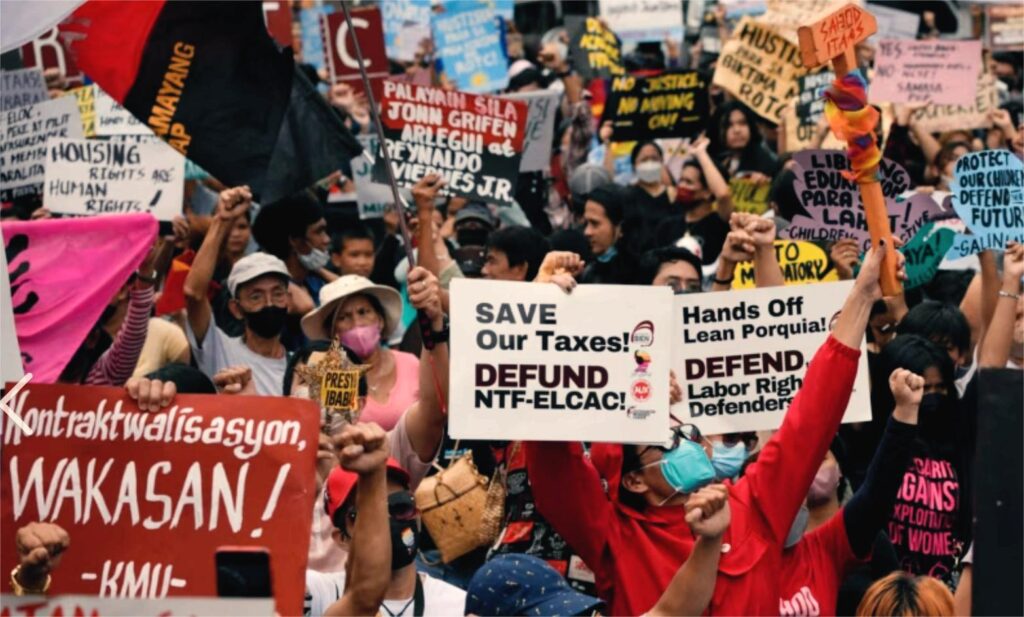
In recent years, labor rights in the Philippines have come under intense scrutiny, with human rights organizations raising alarms over the practice of “red-tagging.” Red-tagging refers to the government’s labeling of activists, union leaders, and human rights defenders as communist insurgents, often without evidence. This practice, which has escalated under successive administrations, poses a significant threat to workers’ rights and freedoms.
The Rise of Red-Tagging
Under the guise of anti-insurgency efforts, the Philippine government has increasingly used red-tagging as a tool to stifle dissent, particularly among labor activists. Human Rights Watch has documented numerous cases where union leaders and workers, especially in the Southern Tagalog region, faced harassment, threats, and even violence. This includes public accusations linking them to the New People’s Army (NPA), the armed wing of the Communist Party of the Philippines. The threat of being labeled a communist has led to the suppression of legitimate labor organizing and union activities.
The National Task Force to End Local Communist Armed Conflict (NTF-ELCAC), established by former President Rodrigo Duterte in 2018, has been at the forefront of red-tagging efforts. This government body, initially created to counter communist insurgencies, has expanded its scope to target labor unions, environmental activists, and human rights defenders. The accusations often come without due process, leading to severe consequences for those labeled.
Impact on Union Leaders and Workers
Red-tagging has had a chilling effect on labor organizations. Union leaders and members have reported increased surveillance, threats to their lives, and in extreme cases, killings. Human Rights Watch reports that since 2016, at least 72 labor leaders have been killed, many of whom were affiliated with the left-leaning labor federation, Kilusang Mayo Uno (KMU)(HRW).
For many labor leaders, red-tagging has become a tool of intimidation. Some have gone into hiding, fearing for their safety and that of their families. This hostile environment has made it increasingly difficult for unions to organize, negotiate, or advocate for workers’ rights without facing potential retribution. The psychological toll, coupled with physical violence, has led to a reduction in the number of unionized workers in the country.
International Condemnation
The international community has taken notice of the deteriorating labor rights situation in the Philippines. In early 2023, the International Labour Organization (ILO) sent a high-level mission to the country, highlighting the government’s failure to address labor violations and protect workers from red-tagging. The mission emphasized the importance of distinguishing between legitimate labor activities and insurgent groups(HRW).
Moreover, trade partners like the European Union have urged the Philippines to uphold its human and labor rights obligations. The EU’s Corporate Sustainability Due Diligence Directive now mandates companies operating in the Philippines to ensure their supply chains are free from human rights abuses, including red-tagging that prevents workers from organizing(HRW).
Government Response
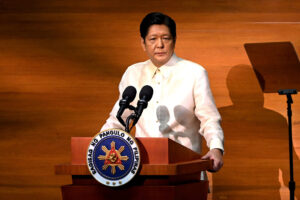
While President Ferdinand Marcos Jr. has issued Executive Order 23 in an attempt to strengthen coordination and resolve labor cases, critics argue that these efforts fall short. The continuing violence and intimidation against labor leaders suggest that more concrete measures are needed to protect workers’ rights and end the practice of red-tagging.
Conclusion
The labor rights situation in the Philippines remains precarious, with red-tagging posing a significant challenge to the country’s labor movement. As the government continues its crackdown on dissent, the international community and human rights organizations are calling for urgent reforms. Ending red-tagging and ensuring the protection of union leaders and activists will be crucial to safeguarding workers’ rights in the Philippines.