

A midyear cultural pulse check on the Philippines — where pop concerts, drag protests, and presidential speeches coexist in the same timeline.
Scene One: The Sky Was Crimson
On July 17, 2025, Manila stood still.
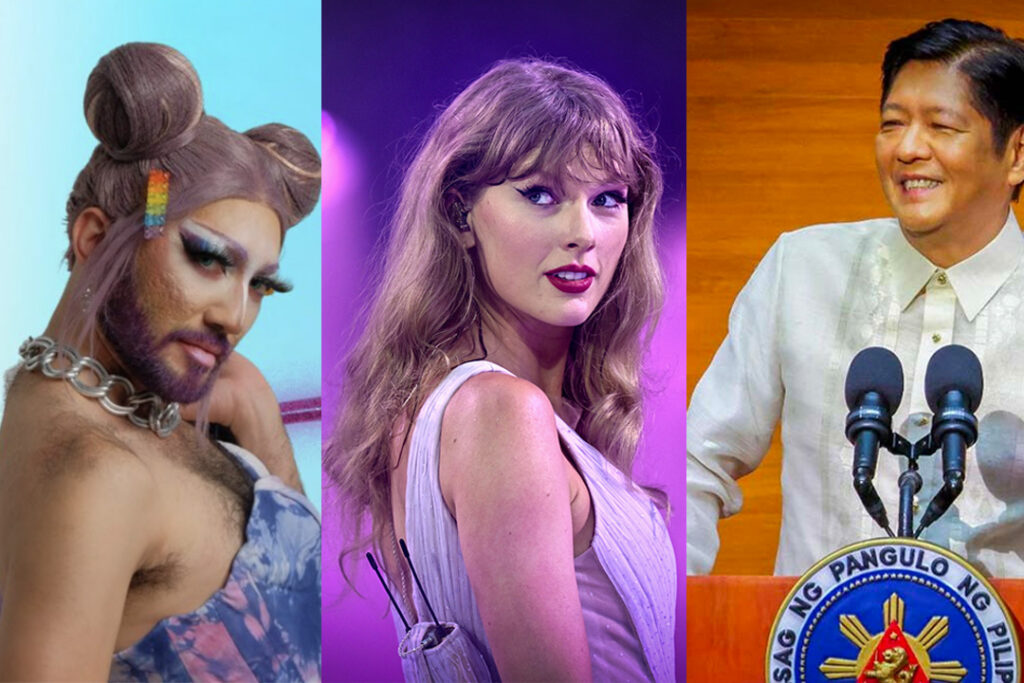
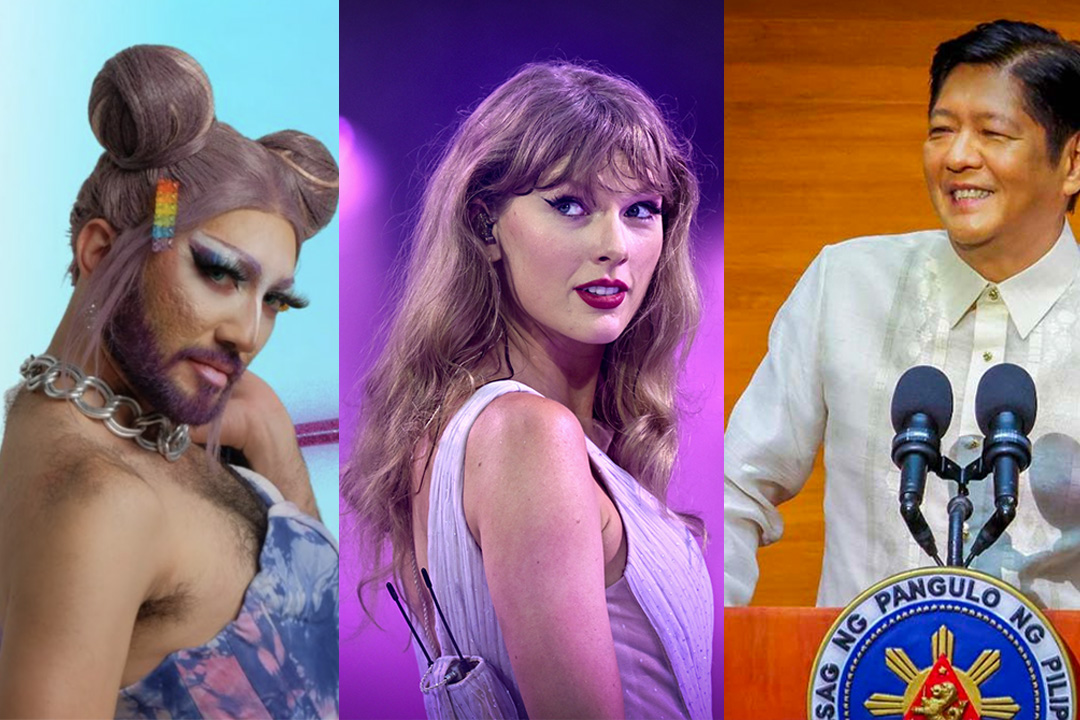
Outside the Philippine Arena, thousands of Swifties donned glitter, cowboy boots, and friendship bracelets, vibrating with excitement for The Eras Tour. It was a night of screams, sequins, and shared emotions under a wide Philippine sky.
But in another part of the city, under that very same sky, protesters gathered.
Some wore habits and drag. Some waved rainbow flags. Others held up placards that read “Art is not a crime” and “Pride doesn’t end in June.” They weren’t waiting for a pop star. They were rallying behind one of their own — Pura Luka Vega, a drag artist recently charged with blasphemy after a viral video remixing “Ama Namin.”
Meanwhile, across EDSA and all over local news, preparations for the State of the Nation Address (SONA) were underway. Political tension hummed — from inflation, to charter change, to disinformation wars. The president’s speech promised clarity. Many doubted it would deliver.
Scene Two: Three Stories, One Country
These three parallel narratives — a pop megastar, a drag protest, and a presidential address — may seem disconnected. But together, they form a cultural snapshot of the Filipino psyche in July 2025.
Taylor Swift represents a generational moment. Her arrival wasn’t just a concert — it was a pilgrimage. For a fandom exhausted by online wars, political fatigue, and economic stress, she offered escape, joy, and connection.
Pura Luka Vega, on the other hand, represents resistance. For all the talk of inclusivity, the backlash they faced reveals the tightrope many queer Filipinos walk. Their performance wasn’t just art — it became a battlefield for questions of faith, freedom, and morality.
And then, there’s the SONA. The State of the Nation Address reminds us who holds institutional power — and how it still shapes the lives of everyone from drag queens to dreamers in friendship bracelets.
Scene Three: The Culture War Isn’t New — But It’s Getting Louder
These moments highlight a reality Gen Z knows intimately:
The Philippines is a country where joy and protest coexist. Where you can post a TikTok about your SONA outfit while debating if freedom of expression has limits. Where mass movements are fueled not just by ideology — but by memes, music, and moments of collective catharsis.
From EDSA to Eras Tour, Filipinos are negotiating identity in public — and often online. We are a country divided not just by politics, but by the platforms we live on. Facebook fuels outrage. TikTok creates movements. Twitter (X?) documents the aftershocks.
Scene Four: Who Gets to Speak?
The louder question isn’t who’s performing — it’s who’s being heard.
Taylor’s microphone reached millions. Luka’s voice sparked lawsuits. The president’s speech echoed across the archipelago. But who among them changed lives?
Perhaps all of them did, in different ways.
Or maybe, the most powerful thing was seeing these stories unfold simultaneously — proving once again that Filipino culture is not a monolith. It’s a conversation. It’s a contradiction. It’s chaos. It’s deeply personal. And it’s happening under the same sky.
Swipe-Worthy Takeaways
- The Eras Tour became more than a concert; it was Gen Z’s moment of escape and unity.
- Pura Luka Vega’s case reignites the conversation on religious sensitivities and LGBTQ+ rights.
- The SONA remains symbolic — but to Gen Z, symbolism is no longer enough.
- Culture isn’t linear. Today’s protests might happen with background Swift lyrics. And that’s okay. That’s the point.