


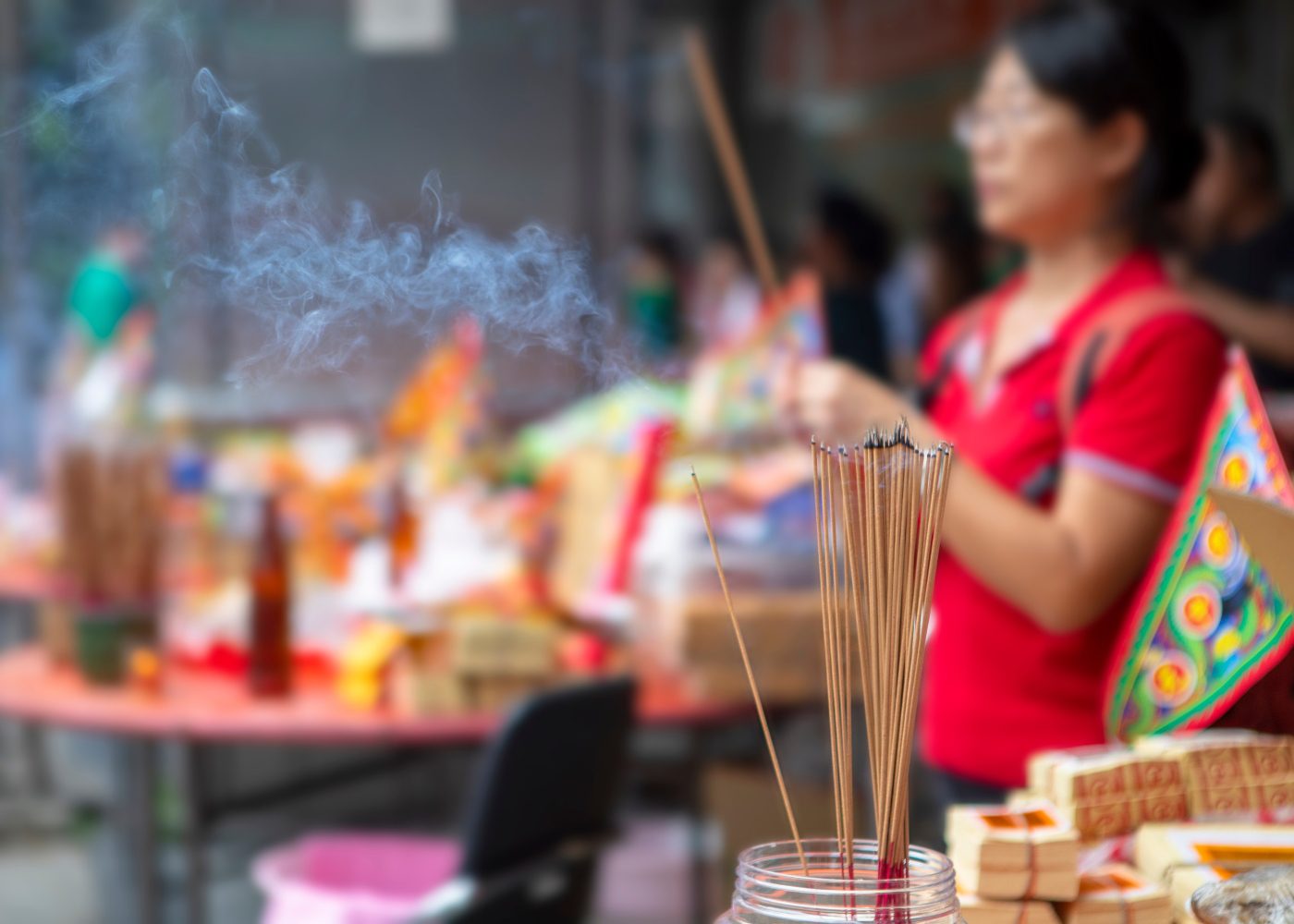
Every August, some Filipinos observe what is known as “Ghost Month” — a time marked by superstition, spiritual caution, and a noticeable slowdown in major decisions. But where does this belief come from, and how does it still influence modern-day life, especially among Millennials and Gen Z?
The Origin: Hungry Ghost Festival
Ghost Month is rooted in Chinese tradition, particularly the Hungry Ghost Festival, observed on the 15th day of the 7th month in the lunar calendar. In 2025, it falls on August 10, though the “Ghost Month” itself spans from August 1 to 29 (lunar 7th month).
During this time, it’s believed that the gates of the spirit world open, allowing restless spirits to roam the earth. These ghosts are thought to be wandering souls with unfinished business — hungry, angry, or simply seeking attention.
Beliefs That Persist
In Filipino-Chinese communities — and even among some non-Chinese Filipinos — August is traditionally a time to avoid:
- Making large purchases (like cars or houses)
- Starting a business
- Holding weddings or big celebrations
- Traveling far from home
Some businesses even postpone signing major contracts or launching products during this period.
Modern Relevance: Myth or Mindset?
For many young Filipinos, especially those in business or tech, Ghost Month may seem outdated. But surprisingly, the belief still has influence:
Real estate slowdowns: Brokers often report fewer closings in August due to buyer hesitancy.
Delayed product launches: Some local brands consciously avoid August to “play safe.”
Startup culture clash: Gen Z entrepreneurs sometimes find themselves negotiating with more traditional investors who take Ghost Month seriously.
“I don’t really believe in it, but my lola told me to hold off on resigning until September — just in case,” shared Tina, a 23-year-old marketing associate.
Spiritual vs Practical
Even for non-believers, Ghost Month becomes a moment to pause, reflect, and reset. In today’s fast-paced world, August’s eerie reputation is being reframed less as fear — and more as spiritual mindfulness.
Some Gen Z Filipinos observe Ghost Month in their own ways:
- Lighting incense or candles for ancestors
- Donating food or essentials as a form of good karma
- Taking social media breaks as a “digital cleanse”
“We see it as a time to avoid bad vibes — not just ghosts,” said Marco, a college student and part-time content creator.
What It Means Today
Ghost Month may no longer have the same grip it once had, but it still plays a cultural role. For some, it’s a spiritual practice. For others, a superstition. But for many, especially the younger generation, it’s a reminder to slow down, be mindful, and respect traditions — even the spooky ones.
Whether you believe in ghosts or not, August has a vibe — and maybe, just maybe, there’s wisdom in taking a breather before diving into big moves.