

July 24, 2026 Manila 32°C Friday
Philippine Observer Philippine Observer
Observing the present. Informing the future.
Family and Relationships

How to Spot Signs of Academic Stress in Your Child

admin
By admin
2 mins read
Share

What Parents Need to Know—Before It Becomes Too Much

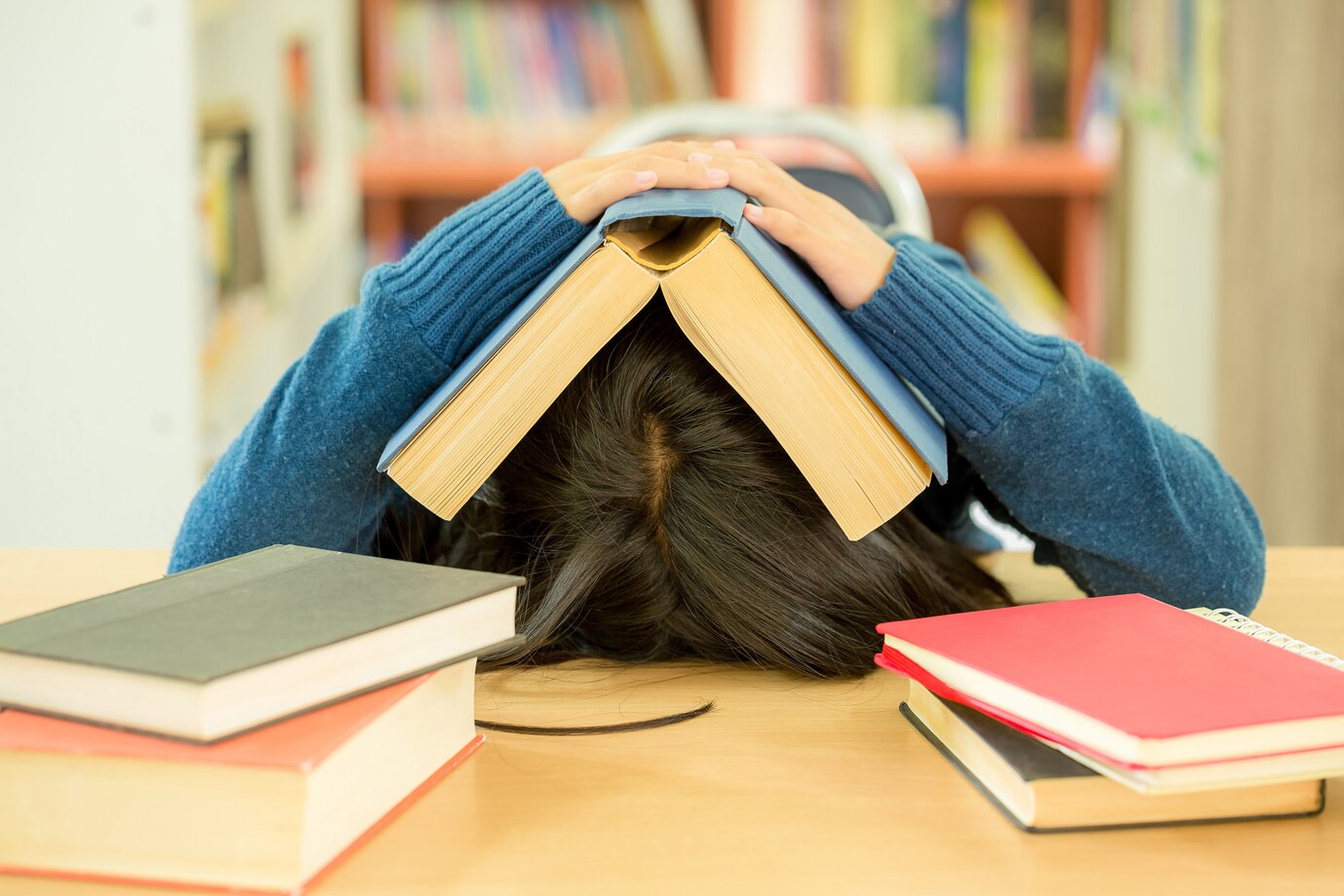
Between school deadlines, online classes, peer pressure, and performance anxiety, kids today are dealing with more stress than we often realize. And because not all children say “I’m overwhelmed” out loud, parents need to learn how to read the quiet signs.

Here’s how to spot academic stress early—and how you can support your child through it.

1. Changes in Sleep or Appetite

Watch for:

  • Staying up too late to study
  • Constantly feeling tired, even with enough sleep
  • Skipping meals or stress-eating junk food

Stress often shows up physically before it shows up emotionally.

2. Mood Swings or Withdrawal

If your usually talkative child suddenly becomes quiet—or if they start getting irritated over small things—it may not just be “teen attitude.”

It could be their way of saying, “I’m not okay.”

Also look out for:

  • Crying easily
  • Being overly sensitive to criticism
  • Avoiding conversations about school

3. Loss of Motivation or Burnout

Pay attention if your child starts saying:

  • “Wala na akong gana.”
  • “Ano pa bang point?”
  • “Ayoko na.”

If they used to be excited about learning and suddenly stop caring, that’s a red flag. Burnout is real—even for students.

4. Physical Complaints With No Clear Cause

Frequent headaches, stomachaches, or feeling “sick” on exam days might be more emotional than physical. These can be signs of anxiety or stress overload.

5. Perfectionism or Fear of Failure

Kids under academic stress often put pressure on themselves to be perfect—sometimes even when no one is asking them to.

You might hear:

  • “Bagsak na agad ‘to.”
  • “Hindi ako pwedeng magkamali.”
  • “Nakakahiya sa classmates/teachers/family.”

High expectations (whether internal or external) can lead to panic and self-doubt.

What You Can Do:

  • Listen without judgment. Let them vent without immediately offering solutions.
  • Affirm effort over results. Remind them that trying their best matters more than perfect grades.
  • Create a calm environment. A clean, quiet study space helps reduce anxiety.
  • Encourage balance. Remind them it’s okay to take breaks, rest, and have fun.
  • Ask the school for help. Teachers and guidance counselors can be allies, not enemies.

Academic stress may be invisible, but its impact is real.

As a parent, your love, patience, and support can be the safety net your child needs—especially in seasons when school feels heavier than usual.

Sometimes, the best grade they can get… is knowing you’re there no matter what.

[po_magazine_header]

How to Spot Signs of Academic Stress in Your Child

What Parents Need to Know—Before It Becomes Too Much

Between school deadlines, online classes, peer pressure, and performance anxiety, kids today are dealing with more stress than we often realize. And because not all children say “I’m overwhelmed” out loud, parents need to learn how to read the quiet signs.

Here’s how to spot academic stress early—and how you can support your child through it.

1. Changes in Sleep or Appetite

Watch for:

  • Staying up too late to study
  • Constantly feeling tired, even with enough sleep
  • Skipping meals or stress-eating junk food

Stress often shows up physically before it shows up emotionally.

2. Mood Swings or Withdrawal

If your usually talkative child suddenly becomes quiet—or if they start getting irritated over small things—it may not just be “teen attitude.”

It could be their way of saying, “I’m not okay.”

Also look out for:

  • Crying easily
  • Being overly sensitive to criticism
  • Avoiding conversations about school

3. Loss of Motivation or Burnout

Pay attention if your child starts saying:

  • “Wala na akong gana.”
  • “Ano pa bang point?”
  • “Ayoko na.”

If they used to be excited about learning and suddenly stop caring, that’s a red flag. Burnout is real—even for students.

4. Physical Complaints With No Clear Cause

Frequent headaches, stomachaches, or feeling “sick” on exam days might be more emotional than physical. These can be signs of anxiety or stress overload.

5. Perfectionism or Fear of Failure

Kids under academic stress often put pressure on themselves to be perfect—sometimes even when no one is asking them to.

You might hear:

  • “Bagsak na agad ‘to.”
  • “Hindi ako pwedeng magkamali.”
  • “Nakakahiya sa classmates/teachers/family.”

High expectations (whether internal or external) can lead to panic and self-doubt.

What You Can Do:

  • Listen without judgment. Let them vent without immediately offering solutions.
  • Affirm effort over results. Remind them that trying their best matters more than perfect grades.
  • Create a calm environment. A clean, quiet study space helps reduce anxiety.
  • Encourage balance. Remind them it’s okay to take breaks, rest, and have fun.
  • Ask the school for help. Teachers and guidance counselors can be allies, not enemies.

Academic stress may be invisible, but its impact is real.

As a parent, your love, patience, and support can be the safety net your child needs—especially in seasons when school feels heavier than usual.

Sometimes, the best grade they can get… is knowing you’re there no matter what.

Leave a Reply

Your email address will not be published. Required fields are marked *