

For years, Filipinos have endured one of the slowest and most expensive internet connections in Southeast Asia. Complaints about dropped calls, capped data, and prohibitive monthly plans have long been a staple of everyday conversations—from classrooms to offices to sari-sari stores. Until recently, the story of the Philippine internet revolved around two giants: Globe and Smart, whose market dominance often left consumers with little choice.
But the landscape is shifting. With new competitors, fresh government policies, and the surge of digital adoption across sectors, the Philippine internet space is at a turning point. Whether this new chapter will lead to real competition or just a reshuffling of old power dynamics remains the crucial question.
From Duopoly to a Crowded Field
For decades, the local telecommunications industry functioned as a near-duopoly. Globe and Smart (under PLDT) accounted for the vast majority of mobile and broadband subscriptions. Consumers were locked into limited options, and innovation often came slowly.
Enter DITO Telecommunity, backed by Dennis Uy’s Udenna Corporation and China Telecom. Launched in 2021, DITO promised cheaper data packages and wider coverage. While its rollout has faced growing pains—spotty signals, slower-than-promised speeds—it nonetheless disrupted the complacency of the traditional players. Even the mere presence of a third competitor forced Globe and Smart to adjust pricing strategies and expand promos.
The disruption doesn’t end there. Global satellite providers, most notably Starlink, have entered the conversation. While its premium pricing makes it out of reach for the average household, Starlink’s presence in rural areas, disaster zones, and underserved regions signals that alternatives are emerging outside traditional telcos. Smaller internet service providers, too, are expanding in provincial cities, carving out niche markets.
Infrastructure Push: Building the Backbone
Competition in telecoms isn’t just about branding—it’s about infrastructure. In recent years, both government and private firms have invested in expanding the country’s digital backbone.
-
Fiber Rollout: Converge ICT has aggressively expanded fiber-to-the-home services, becoming a strong competitor in urban centers. Globe and PLDT responded with their own fiber packages, creating a race to capture household broadband users.
-
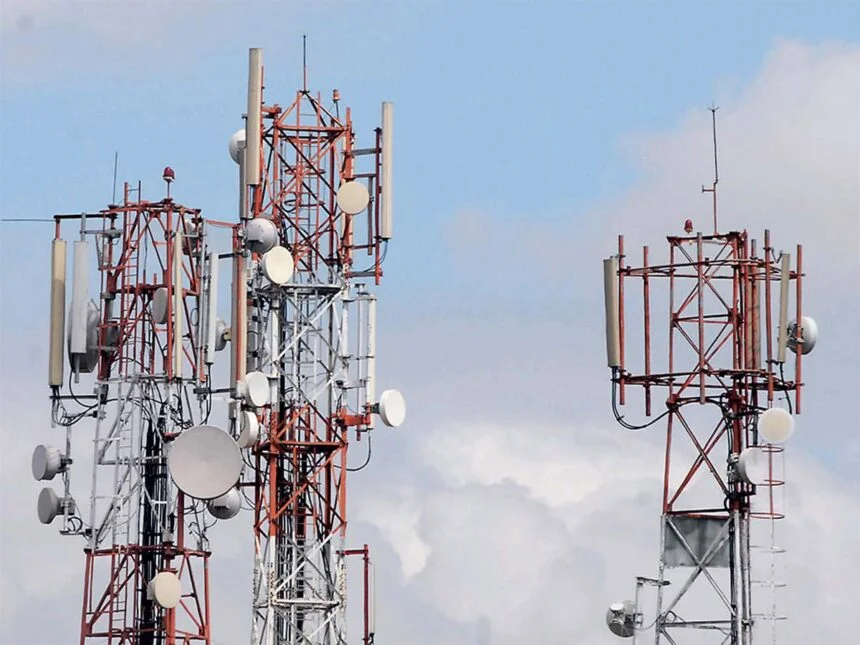
Common Tower Policy: The government introduced a policy encouraging independent tower companies to build and lease infrastructure to telcos, speeding up the expansion of mobile coverage.
-
Satellite Connectivity: Starlink and similar services provide alternatives in remote areas where towers and cables are not financially viable.
The Department of Information and Communications Technology (DICT) has also pushed for “last-mile” connectivity, targeting far-flung areas that big providers have long ignored. Projects like the Free Wi-Fi for All program remain uneven in implementation, but they highlight the growing recognition of internet as essential infrastructure.
Digital Economy on the Rise
The urgency of improving internet access is tied to the Philippines’ fast-growing digital economy. The pandemic accelerated this shift: online shopping boomed, fintech apps like GCash and Maya became household staples, and remote learning reshaped how Filipinos view connectivity.
Consider the numbers:
-
The Philippines ranked among the top countries worldwide in time spent online, with over 9 hours of daily internet use on average.
-
E-commerce transactions surged, with platforms like Shopee and Lazada recording millions of users monthly.
-
The fintech sector expanded rapidly, enabling cashless payments and digital banking even in rural areas.
Every one of these developments relies on reliable, affordable internet. For small businesses, in particular, digital access is no longer optional. An artisanal baker in Ilocos, a weaver in Mindanao, or a freelance designer in Quezon City all depend on stable internet to reach customers, process payments, and build livelihoods.
The Opportunities
The opening of the internet market presents real opportunities:
-
Lower Prices for Consumers
-
With more players, providers are forced to compete on pricing, promos, and service quality.
-
-
Broader Access
-
Expansion of fiber and satellite coverage could reduce the urban-rural divide.
-
-
Innovation
-
New services are emerging—super apps, cloud tools for small businesses, streaming platforms, and even AI-based customer service.
-
-
Economic Growth
-
A stronger digital backbone supports e-commerce, business process outsourcing (BPOs), remote work, and creative industries.
-
The Challenges
Yet optimism should be tempered by reality. True competition requires more than just adding names to the market.
-
Monopoly Risks: There’s always the possibility that smaller players may eventually be acquired by bigger ones, consolidating the market again.
-
Data Privacy and Cybersecurity: With more Filipinos online, the risks of scams, breaches, and identity theft multiply. Regulations exist but enforcement often lags.
-
Regulatory Uncertainty: New technologies like 5G, satellite internet, and digital banking evolve faster than the laws governing them. The Philippine Competition Commission (PCC) and National Telecommunications Commission (NTC) must keep pace.
-
Affordability vs. Profitability: Providers must balance the push for lower prices with the heavy costs of building infrastructure in an archipelago of more than 7,000 islands.
What It Means for Filipinos
For ordinary users, competition should mean faster internet at a lower price point. Parents navigating online classes, freelancers joining Zoom meetings, or gamers streaming on Twitch all benefit from a more robust digital ecosystem.
For small businesses, it means greater opportunity. A sari-sari store can become a logistics hub with online ordering; a craftsman in Cebu can sell directly to customers abroad. For OFWs, cheaper and clearer communication with family back home becomes possible.
But for policymakers, the challenge is balancing openness with protection. Allowing foreign entrants encourages investment and technology transfer, but it also raises concerns about security and control. As the Philippines becomes more connected, the stakes rise: economic competitiveness, national security, and social equity are all intertwined.
Outlook: A Crossroads for Digital Philippines
The Philippine internet is entering uncharted territory. The past was defined by scarcity and monopoly, the present by disruption and rapid change. The future? It depends on how well the country manages this transition.
If regulators push for fair competition, if providers commit to inclusivity, and if consumers demand better service, the Philippines could finally escape its reputation as a laggard in connectivity. A more open internet could become the backbone of a more competitive, more innovative, and more resilient nation.
But the risks remain real. Without proper oversight, the market could slip back into dominance by a few giants. Without strong cybersecurity, trust in digital platforms could erode. Without sustained infrastructure investment, rural communities could once again be left behind.
One thing is certain: the opening of the internet is not just a tech story—it is an economic, social, and political turning point. The choices made today will determine whether Filipino connectivity in the next decade is marked by empowerment or exclusion.