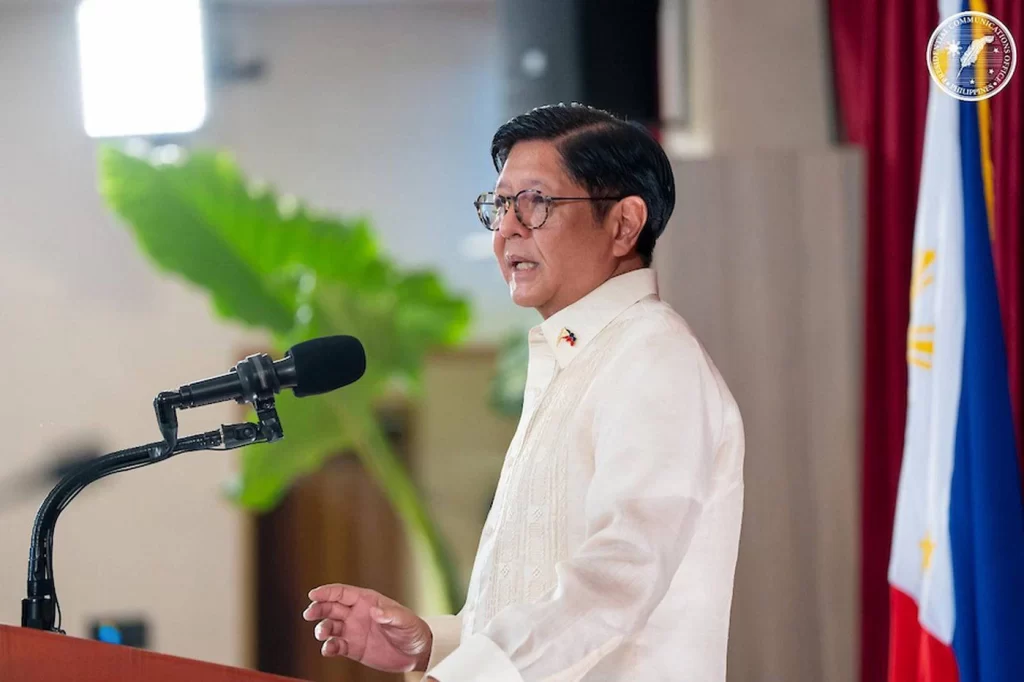


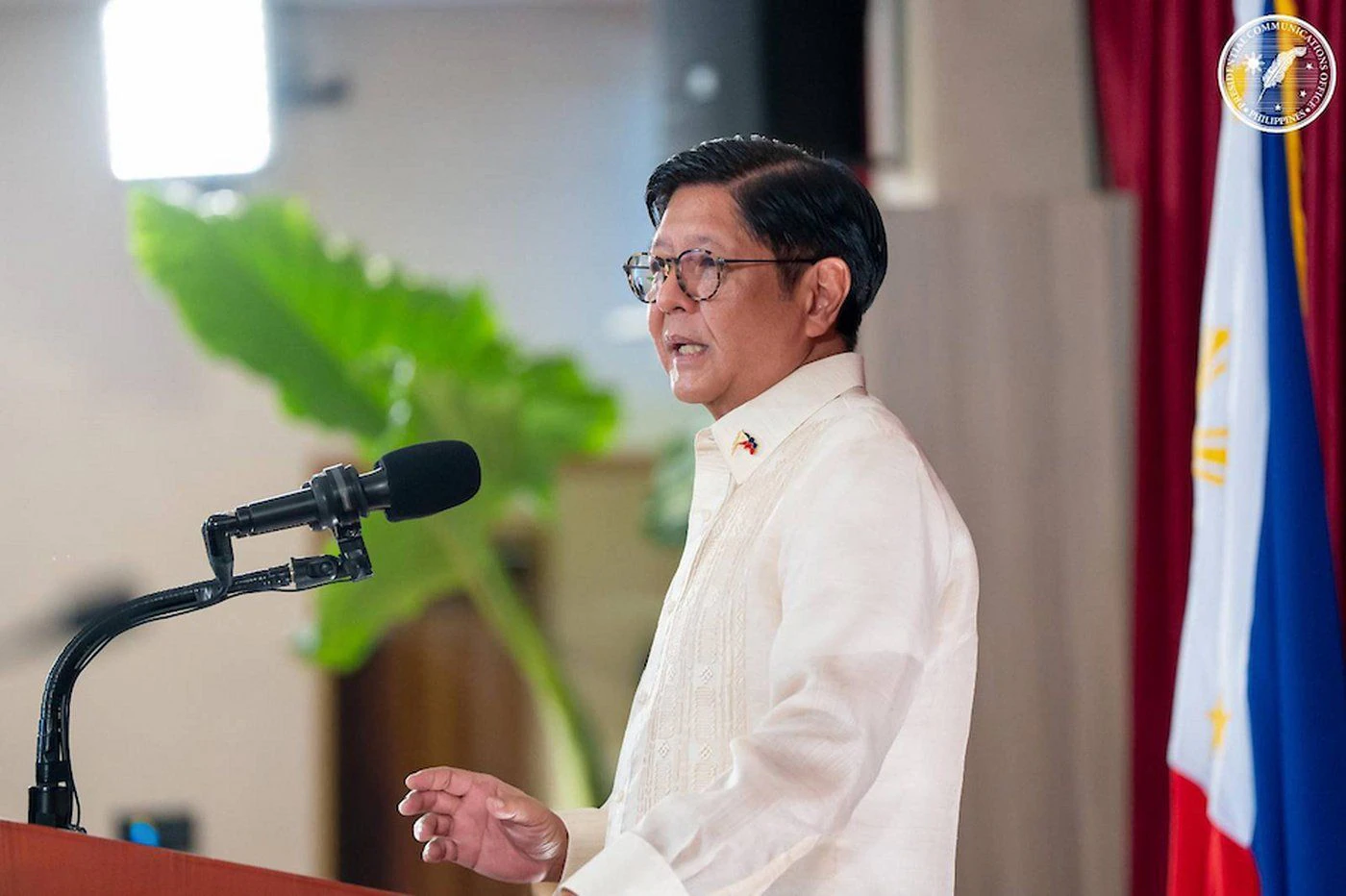
President Ferdinand Marcos Jr. has ordered comprehensive lifestyle checks on public officials, starting with the Department of Public Works and Highways (DPWH), amid mounting criticism over corruption and “ghost projects” in the agency.
The directive, announced on Tuesday, comes as the administration faces growing scrutiny over the handling of multi-billion peso infrastructure programs. Marcos said the checks are part of a broader anti-corruption drive meant to restore public trust in government institutions.
“We cannot afford to waste public funds on projects that exist only on paper, or line the pockets of the few while leaving Filipinos in need,” the President said in a statement.
Targeting DPWH First
The DPWH has long been dogged by allegations of irregularities in public works spending. Just this month, reports surfaced about luxury vehicles allegedly tied to officials suspected of amassing unexplained wealth. By beginning the checks with the DPWH, Marcos is signaling that the infrastructure sector—seen as a major driver of his administration’s economic agenda—will not be immune from accountability measures.
According to Palace officials, lifestyle checks will review government workers’ declared assets, business interests, and spending patterns. Any discrepancies between income and lifestyle could lead to administrative charges or even criminal cases.
Wider Scope Expected
While the DPWH is the first target, Marcos indicated that the initiative will expand to other agencies where corruption is suspected. The move also comes as Congress intensifies debates on transparency reforms, including stricter auditing rules for local and national projects.
Good governance advocates welcomed the initiative but warned that results will depend on political will. Transparency International Philippines called for the checks to be conducted independently, noting that past anti-graft campaigns often faltered when they touched on politically influential figures.
A Test of Credibility
For Marcos, the campaign is a crucial test of credibility. Infrastructure remains central to his administration’s economic recovery and development agenda, but reports of misuse of funds risk undermining public confidence.
“It’s not just about cleaning up DPWH,” said political analyst Maricel Abad. “It’s about showing that no one in government is untouchable.”
If carried out thoroughly, the lifestyle checks could set a new standard for accountability. But if the effort is seen as selective or symbolic, critics warn it may only deepen public cynicism toward government promises of reform.
Sources: