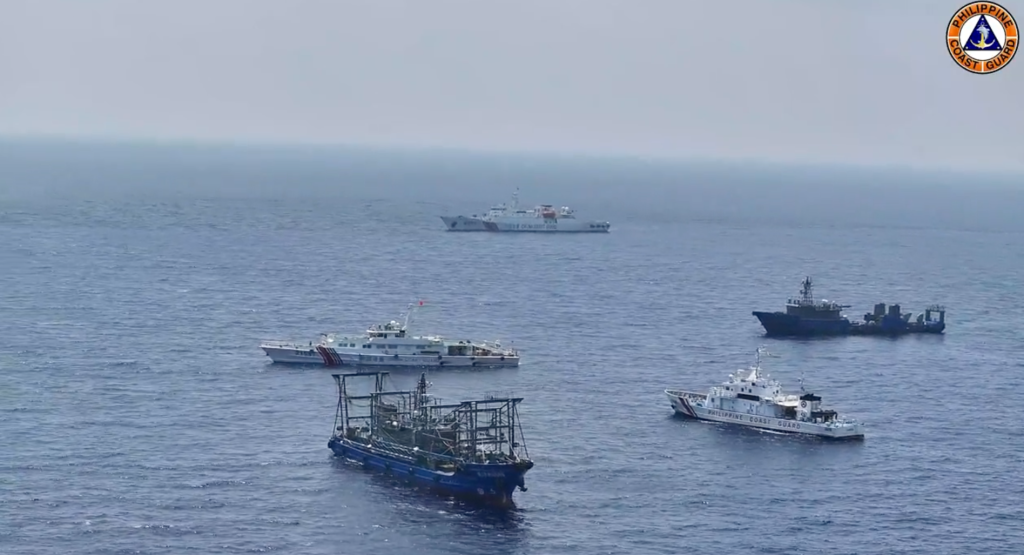


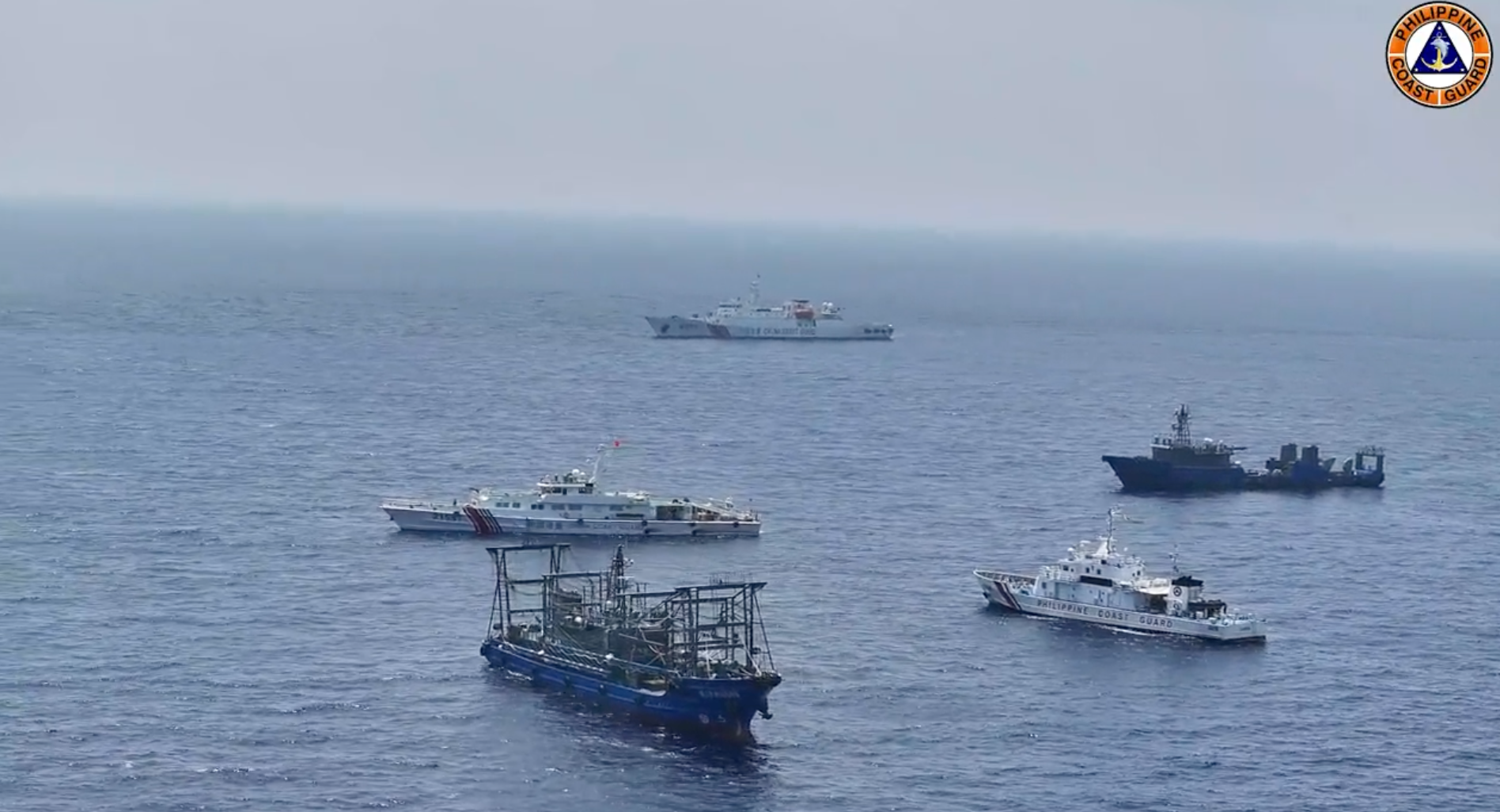
The Philippine military has sounded the alarm over heightened Chinese activity near Ayungin Shoal (Second Thomas Shoal), after a swarm of Chinese vessels, including a helicopter and a drone, approached the BRP Sierra Madre—the grounded World War II-era ship serving as Manila’s outpost in the contested waters of the West Philippine Sea.
A Show of Force
According to defense officials, Chinese coast guard and maritime militia boats were spotted circling the shoal last weekend, while aerial assets conducted maneuvers close to Philippine positions. The Armed Forces of the Philippines (AFP) denounced the move as an “escalatory act” that undermines regional stability.
“This is not routine activity. The presence of a helicopter and drone near our troops is a blatant intimidation tactic,” said AFP spokesperson Col. Xerxes Trinidad.
The Department of Foreign Affairs (DFA) has filed a fresh diplomatic protest against Beijing, adding to the hundreds already lodged since President Ferdinand Marcos Jr. took office.
Strategic Flashpoint
Second Thomas Shoal lies within the Philippines’ exclusive economic zone (EEZ), but China continues to assert sweeping claims over nearly the entire South China Sea. The shoal has become a flashpoint because of the Sierra Madre, which has been manned by a small contingent of Philippine marines since 1999 to stake Manila’s claim.
Resupply missions to the marooned ship are frequently blocked or harassed by Chinese vessels. Videos of water cannon attacks and ramming incidents earlier this year sparked outrage at home and concern from allies.
International Response
The United States reiterated its “ironclad” commitment to the 1951 Mutual Defense Treaty, stressing that any attack on Philippine forces in the South China Sea would trigger U.S. defense obligations. Japan and Australia likewise expressed concern, urging China to respect international law, including the 2016 arbitral tribunal ruling that invalidated Beijing’s expansive claims.
“The Philippines is not alone in defending its sovereign rights,” said U.S. State Department spokesperson Matthew Miller. “We stand with our ally against coercion.”
Marcos’ Balancing Act
For President Marcos, the latest incident underscores the growing challenge of balancing deterrence and diplomacy. His administration has deepened defense ties with Washington while maintaining that Manila is open to dialogue with Beijing.
Political analyst Maricel Abad noted that Marcos’ firm stance contrasts with his predecessor Rodrigo Duterte’s China-friendly policy. “This is a crucial turning point. Marcos is signaling that the Philippines will not be bullied into silence,” she said.
What’s Next?
Analysts warn that repeated confrontations risk miscalculation, especially with Chinese aircraft now involved. The AFP has vowed to continue resupply missions despite threats, while lawmakers are pushing for more defense modernization and stronger regional security cooperation.
As tensions mount, Ayungin Shoal remains both a symbol of Philippine resistance and a reminder of the fragile peace in one of the world’s busiest—and most contested—waterways.
Sources: