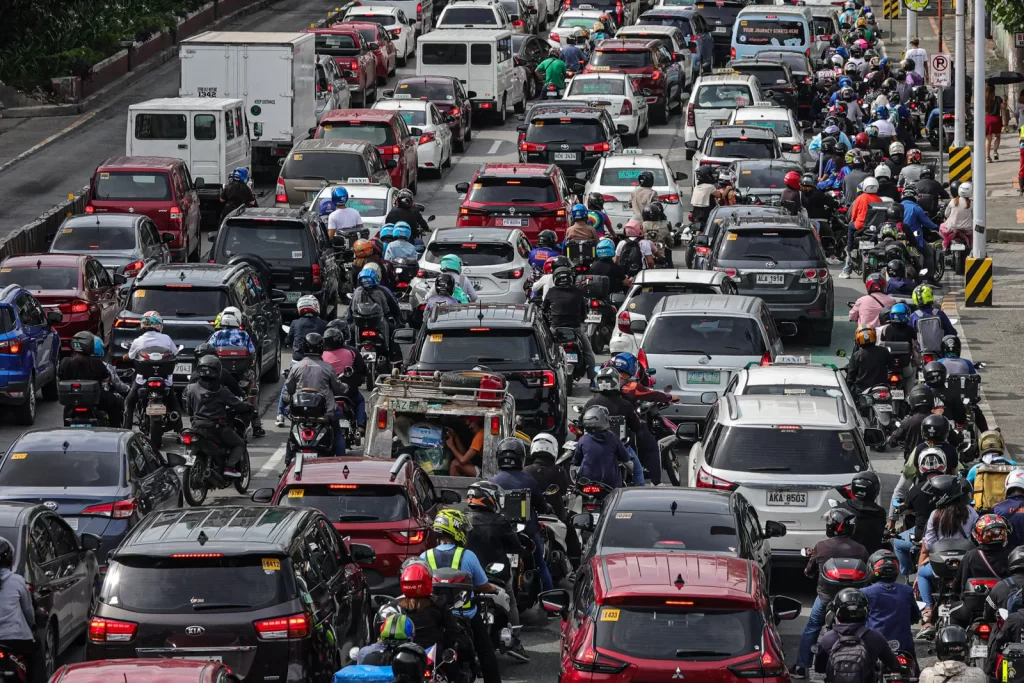


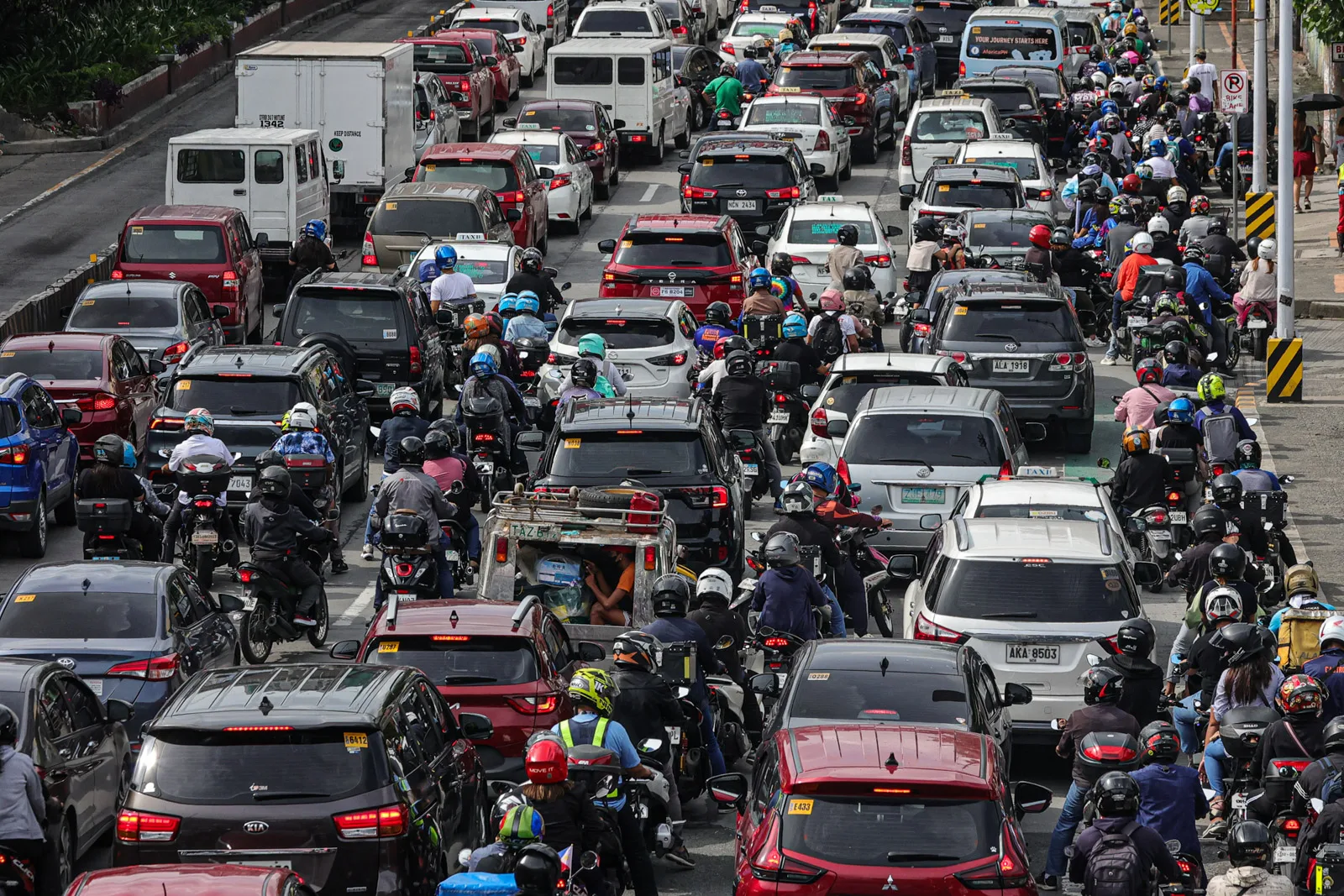
Metro Manila is notorious for its traffic congestion, with thousands of commuters spending hours on the road daily. Recent government and tech initiatives aim to tackle this persistent problem.
The Metropolitan Manila Development Authority (MMDA) has implemented smart traffic lights and AI-powered traffic monitoring systems, while mobile apps like Waze and Google Maps provide real-time updates to help drivers avoid bottlenecks. These measures are intended to optimize traffic flow and reduce travel times.
Commuters’ reactions have been mixed. While some report smoother traffic in areas like EDSA and C-5, congestion persists in major thoroughfares during peak hours (Philippine Daily Inquirer, July 2025). Experts emphasize that technology alone is insufficient; long-term solutions also require urban planning improvements, expanded public transportation, and stricter enforcement of traffic laws (Dr. Raul P. de Guzman, Urban Mobility Specialist, University of the Philippines).
International examples support this approach. Cities like Singapore and Seoul combine technology with infrastructure upgrades and policy enforcement, resulting in measurable reductions in congestion (World Bank: Urban Mobility and Congestion Solutions, 2024). Manila’s ongoing projects, including new expressways and rail network expansions, aim to emulate these successes.
While these initiatives offer hope, the real impact will depend on continuous monitoring, adaptive solutions, and commuter cooperation. Only with a multi-faceted approach can Metro Manila’s daily commute become less daunting.