

Flooded Futures: Why the Philippines Can’t Get Flood Control Right
By Philippine Observer Staff
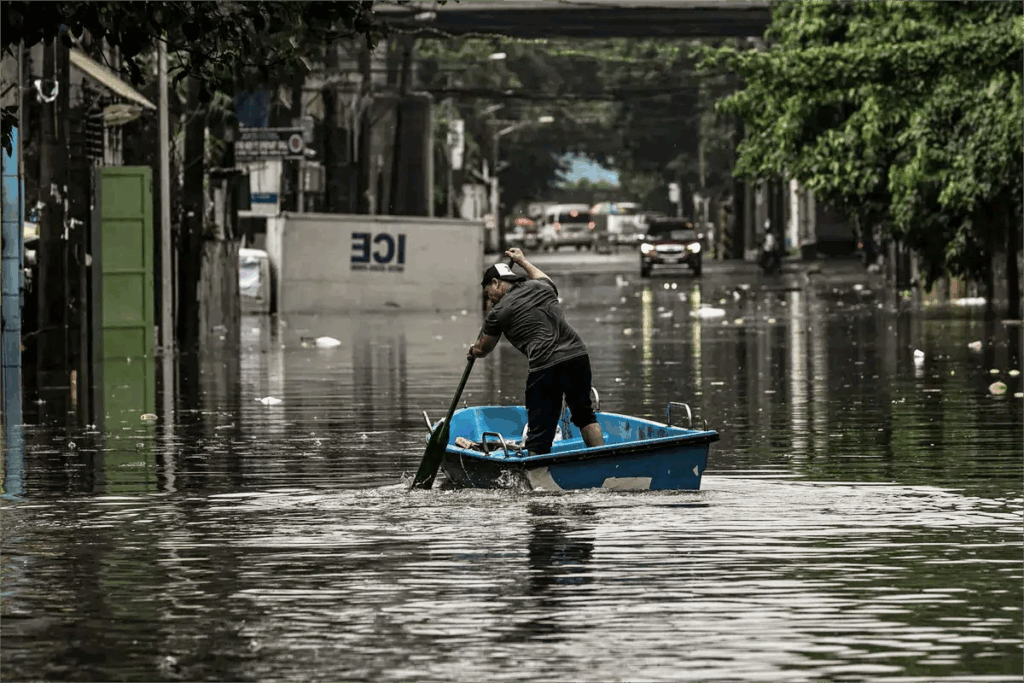
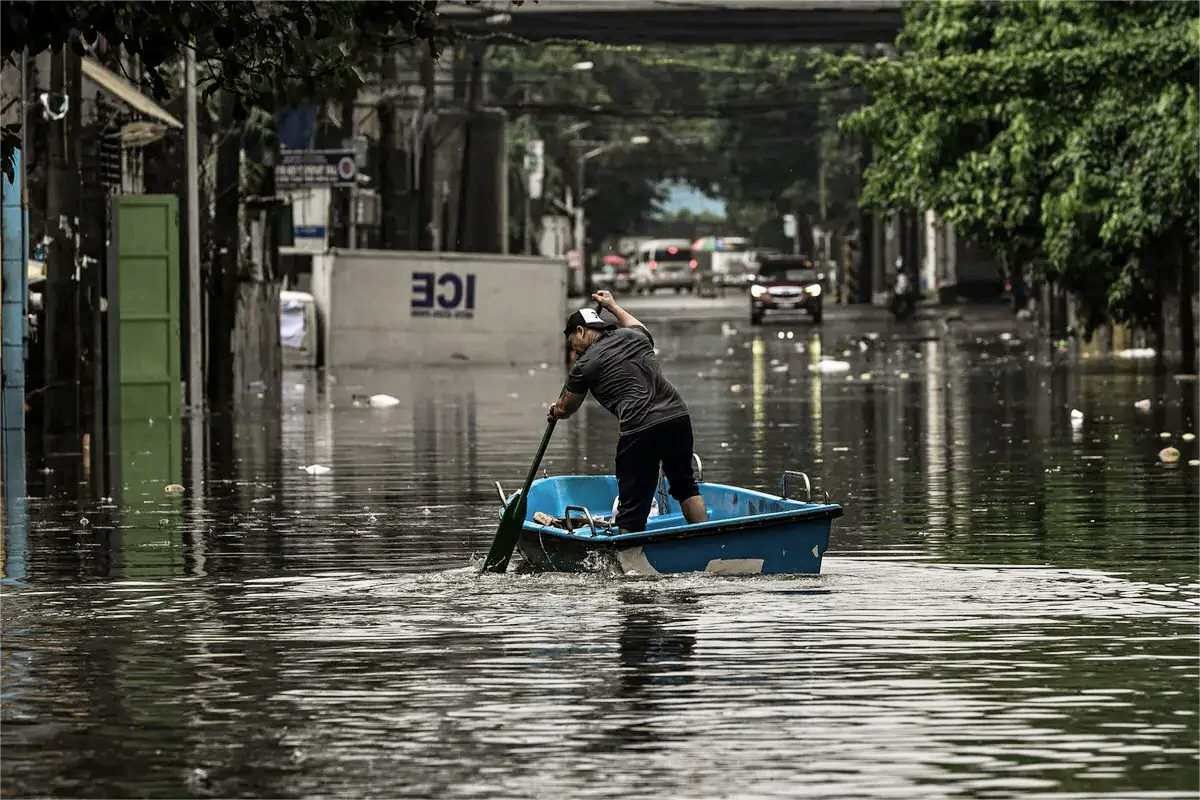
Every rainy season, familiar scenes re-emerge: submerged streets, stranded commuters, families huddled in evacuation centers. Despite substantial spending, the Philippines remains dangerously vulnerable to floods. The pressing question: why can’t we get flood control right?
A Cycle of Spending, with Little Relief
In the 2024 National Expenditure Program, the Marcos administration allocated ₱215.643 billion for the DPWH Flood Management Program—up from ₱185 billion the previous year. Flood mitigation took the lion’s share of the DPWH budget, reflecting the urgency of the issue. Philippine News AgencyPhilippine Information Agency
However, many cities—from Metro Manila to Davao—still flood after just a few hours of heavy rainfall. In Iloilo City, investigations have been ordered into failed or incomplete flood infrastructure, as residents continue to wade through waist-deep water despite prior investments. RedditWikipedia
Urbanization and the Drainage Problem
Metro Manila’s transformation from wetlands to urban sprawl has blocked natural drainage. The Metro Manila Flood Management Project, funded by a $500 million World Bank and AIIB loan, aims to modernize 36 pumping stations, build 20 new ones, and improve drainage infrastructure—efforts to reverse decades of neglect. World Bank+1
Still, solid waste and informal settlements clog waterways and station inlets, hampering even modernized systems. World Bank Blogs
Dams, Dikes, and Displacement
Ambitious projects like the Kaliwa, Wawa, and Bulacan flood control dams are being pushed to protect Metro Manila but come with social costs. In Bulacan, locals fear displacement as dams and infrastructure linked to the New Manila International Airport disrupt river systems, livelihoods, and biodiversity. RedditWikipedia
The Climate Crisis Reality Check
The Philippines now faces nearly double the risk of typhoons due to climate change. A recent study attributes a 70% rise in probabilities of destructive storms to rising sea temperatures—intensifying flooding risks. Reuters
Moreover, the Philippines ranks among the most disaster-vulnerable nations. Sea levels are rising along coasts—particularly around Manila Bay, Bulacan, and Pampanga—threatening permanent inundation if adaptation doesn’t keep pace. Wikipedia
Accountability and Governance
Governance—or the lack thereof—is central to the flood control crisis. A Senate Blue Ribbon probe has revealed “ghost” projects, contractor monopolies, and alleged fund misallocation worth billions. Some projects received no real execution despite funding. Wikipedia
Addressing these concerns, President Marcos ordered the release of all flood control project lists from the past three years and vowed to prosecute corrupt officials. Wikipedia
Towards a Real Flood Solution
Countries like Japan, the Netherlands, and Singapore have tackled flooding with holistic planning, maintenance protocols, and community engagement. The Philippines must follow suit by:
-
Enabling transparent oversight of flood control budgets and contractors.
-
Restoring natural waterways and avoiding overdevelopment in flood-prone zones.
-
Investing in nature-based solutions—from mangroves to watershed rehabilitation.
-
Empowering communities to participate in building flood resilience.
Without these reforms, flood control will remain a revolving door of projects and promises—while Filipinos stay ready with umbrellas, sandbags, and evacuation plans.